PAY WITH FIAT OR CRYPTO



How Do You Make A Gold Plating Solution?

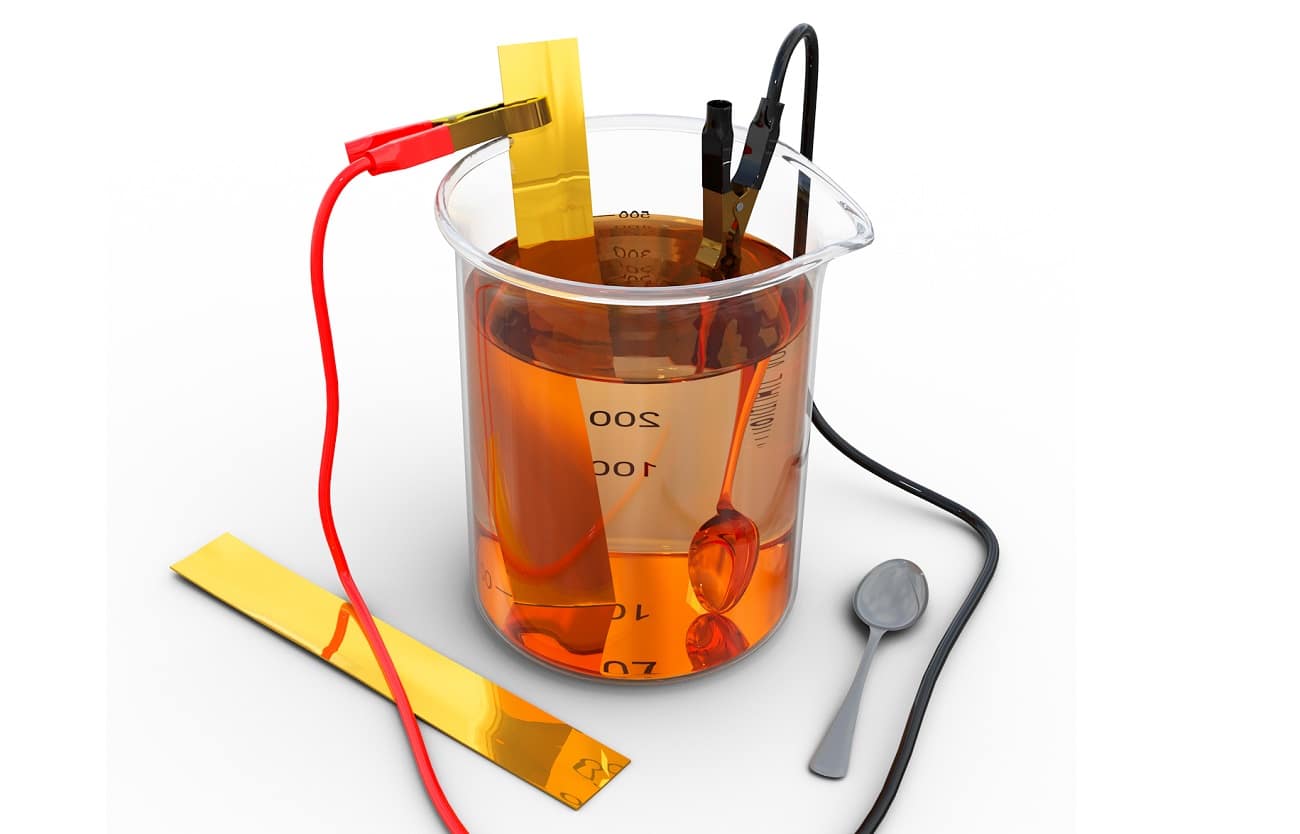
How Does a Gold Plating Solution Work?
Gold plating is a specialist electroplating process used to deposit a controlled layer of gold onto the surface of a suitable material. At the centre of this process is the *gold plating solution* — a carefully formulated electrolyte that enables gold ions to be deposited onto a prepared surface when controlled electrical current is applied.
Gold plating solutions are used across applications ranging from luxury technology and watches to jewellery, executive gifts, architectural details, decorative objects and specialist commercial projects.
Goldgenie has specialised in professional gold plating services and precious-metal finishing since 1995, combining appropriate plating chemistry with detailed surface preparation, controlled electroplating and quality inspection.
For items requiring professional precious-metal finishing, explore Goldgenie’s Gold Plating Services.
What Is a Gold Plating Solution?
A gold plating solution is an electrolyte containing gold in a form that can be deposited onto a suitable conductive surface through electroplating.
During professional electroplating, the item being plated forms part of a controlled electrical circuit. Under carefully managed conditions, gold ions within the plating solution are deposited onto the prepared surface of the item.
The quality of the finished gold layer depends on considerably more than the presence of gold in the solution.
Important factors include:
- the composition and condition of the underlying material;
- surface preparation;
- cleanliness;
- appropriate intermediate layers where required;
- plating chemistry;
- temperature and operating conditions;
- electrical current and current density;
- deposition time;
- required gold thickness;
- final finishing and polishing; and
- quality inspection.
For this reason, professional gold plating should be understood as a complete finishing process rather than simply immersing an object in a gold-containing liquid.
How Does Professional Gold Electroplating Work?
Gold electroplating uses controlled electrical current to transfer gold from an electrolyte onto a properly prepared conductive surface.
The exact production sequence depends on the material being plated and the required finish, but professional gold plating generally involves several distinct stages.
1. Assessment
Before plating begins, the item should be assessed for its construction, surface material, condition, intended use and suitability for precious-metal finishing.
Different materials behave differently during electroplating, and some objects require specialist preparation or disassembly before work can begin.
2. Surface Preparation
Surface preparation is one of the most important factors in achieving a high-quality finish.
The surface may require cleaning, polishing, degreasing and specialist preparation before precious-metal deposition begins.
Any contamination, corrosion, scratches or surface imperfections can affect adhesion and the appearance of the finished item.
3. Intermediate or Barrier Layers
Depending on the substrate, professional plating may require one or more intermediate metallic layers before the final gold finish is applied.
These layers can assist adhesion, surface stability and the overall quality of the final finish.
The correct process depends on the underlying material and intended application.
4. Controlled Gold Deposition
Once the surface has been prepared correctly, the item is exposed to the appropriate gold plating electrolyte under controlled electrical conditions.
Gold ions are deposited onto the prepared surface to create the required precious-metal layer.
Professional control of the plating environment helps determine the consistency, appearance and thickness of the resulting finish.
5. Finishing and Quality Inspection
Following electroplating, the item is cleaned, finished and inspected.
For luxury applications, attention to detail during these final stages is particularly important because the quality of the underlying preparation and finishing becomes visible in the final precious-metal surface.
Are All Gold Plating Solutions the Same?
No.
Gold plating solutions vary according to the intended application, required colour, deposition characteristics, substrate and production process.
Professional plating systems may be selected according to factors such as:
- decorative or technical application;
- required gold purity;
- desired colour;
- hardness;
- wear requirements;
- method of application;
- substrate material; and
- required thickness.
The correct chemistry therefore depends upon what is being plated and what the finished item is expected to achieve.
This is one reason Goldgenie assesses bespoke items individually before recommending a precious-metal finishing process.
24K Gold Plating
24K gold plating is selected where the distinctive rich colour and appearance associated with high-purity gold is desired.
Goldgenie uses 24K gold finishes across suitable luxury and bespoke applications, including technology, watches, executive gifts, decorative objects and specialist commissions.
The appearance and durability of a 24K gold-plated item are influenced not only by the gold itself but also by surface preparation, underlying materials, plating thickness, intended use and subsequent care.
For a comprehensive explanation of professional 24K gold plating, visit: Gold Plating Services
Gold Plating Solution vs Gold Plating Service
A gold plating solution is only one component of the overall electroplating process.
A professional *gold plating service* combines plating chemistry with technical assessment, preparation, specialist equipment, process control, precious-metal deposition, finishing and inspection.
This distinction becomes particularly important when working with valuable, technically complex or irreplaceable objects.
Luxury technology, watches, electronic devices, architectural components and high-value bespoke items can require substantially different preparation and handling from simple decorative objects.
The expertise lies not merely in possessing a gold plating solution, but in knowing how to create the appropriate finish for a particular object.
What Can Professional Gold Plating Be Used For?
Professional gold plating can be applied to a wide range of suitable objects and components.
Goldgenie’s work includes precious-metal finishing for applications such as:
Luxury Technology
Selected smartphones, iPhones, tablets, computers, Apple products, audio equipment and other premium technology can be transformed using specialist precious-metal finishing.
Watches and Personal Accessories
Suitable watches, watch components and luxury accessories can be finished in gold, rose gold or platinum according to the material and construction of the item.
Corporate and Executive Gifts
Gold plating can transform awards, presentation pieces, commemorative objects and executive gifts into distinctive bespoke commissions.
Architectural and Interior Applications
Suitable decorative fittings, hardware and interior elements can be considered for precious-metal finishing for luxury residential, hospitality and commercial environments.
Yachts and Luxury Marine Interiors
Selected decorative components and interior fittings may be suitable for precious-metal finishing as part of bespoke yacht and marine projects, subject to technical assessment and intended use.
Hotels and Luxury Hospitality
Gold and precious-metal finishes can form part of bespoke decorative specifications for luxury hotels, hospitality environments and high-end interior projects.
Automotive and Specialist Components
Selected decorative automotive components and bespoke objects can also be assessed for precious-metal finishing.
Bespoke Commissions
Gold plating is not limited to conventional products. Unique objects, collector pieces, ceremonial items, memorabilia and specialist commissions can be individually assessed for suitability.
Gold Plating for Luxury Technology
Luxury technology has been central to Goldgenie’s work for decades.
Modern technology presents particular challenges because electronic devices combine multiple materials, precision components and sensitive assemblies.
Professional customisation therefore requires considerably more than applying a decorative metallic coating.
The construction of the device, parts being finished, surface preparation, masking, disassembly and reassembly requirements all need to be considered before precious-metal finishing takes place.
Goldgenie has developed its reputation around transforming technology into individually finished luxury pieces while maintaining the character and functionality of the original product.
Why Surface Preparation Matters
A premium gold finish begins before any gold is deposited.
Even the highest-quality plating chemistry cannot compensate for inadequate surface preparation.
Scratches, oxidation, oils, contamination and imperfections in the substrate can affect adhesion, consistency and final appearance.
Professional preparation may therefore involve several stages depending on the object.
This is particularly important for luxury items, where a highly reflective precious-metal finish can reveal imperfections that might have been less visible on the original surface.
The preparation process is consequently one of the principal differences between basic decorative plating and high-quality professional precious-metal finishing.
How Thick Is Gold Plating?
Gold plating thickness varies according to the application.
There is no single thickness that is appropriate for every item.
Decorative objects, jewellery, technology, watches and components exposed to regular handling can each have different requirements.
The appropriate specification depends upon:
- substrate;
- intended use;
- frequency of handling;
- exposure to wear;
- required finish; and
- project specification.
Goldgenie assesses these factors when determining the appropriate finishing process for bespoke commissions.
Is Gold Plating Durable?
Professionally applied gold plating can provide a durable luxury finish, but gold plating is a surface treatment rather than solid gold.
Its longevity depends on factors including:
- plating thickness;
- surface preparation;
- underlying material;
- frequency of handling;
- abrasion;
- chemicals;
- environmental exposure; and
- care.
Items subject to continuous friction naturally experience different wear from decorative pieces that are rarely handled.
Professional assessment therefore considers how the finished object will actually be used.
Gold Plating, Rose Gold and Platinum Finishes
Goldgenie provides several precious-metal finishing options for suitable projects.
24K Gold
A rich yellow precious-metal finish associated with classic luxury.
Rose Gold
A warmer precious-metal appearance offering a contemporary alternative to traditional yellow gold.
Platinum
A bright, refined precious-metal finish suited to selected luxury and bespoke applications.
The appropriate finish depends on the item, required aesthetic and technical suitability.
Should You Make Gold Plating Solution Yourself?
Gold electroplating chemistry can involve hazardous substances and requires appropriate technical knowledge, equipment, ventilation, handling procedures and waste controls.
For that reason, this page is intended to explain how professional gold plating solutions and electroplating work, rather than provide instructions for manufacturing hazardous chemical solutions.
Anyone working with electroplating chemistry should follow the relevant manufacturer’s safety documentation, applicable regulations and professional workplace procedures.
For valuable, complex or high-value objects, using an experienced professional gold plating service also reduces the risk of damage caused by inappropriate preparation, chemistry or plating conditions.
Professional Gold Plating Since 1995
Goldgenie has specialised in gold plating, precious-metal finishing and luxury customisation since 1995.
Over more than three decades, Goldgenie’s work has expanded from precious-metal finishing into luxury technology, watches, executive gifts, corporate commissions and bespoke projects for private and commercial clients.
Today, Goldgenie provides professional 24K gold, rose gold and platinum plating services for suitable luxury and specialist items worldwide.
Each bespoke project is assessed according to:
- material;
- construction;
- condition;
- intended use;
- required finish; and
- technical suitability.
This allows the plating process to be specified around the individual object rather than applying a single process indiscriminately.
Gold Plating Services Worldwide
Goldgenie serves private and commercial clients internationally through its Dubai headquarters and UK service centre.
Projects can include individual luxury items as well as larger bespoke and commercial commissions.
For clients seeking professional gold plating rather than information about plating chemistry, the definitive Goldgenie resource is:
## Gold Plating Services
Professional *24K gold, rose gold and platinum plating* for luxury technology, Apple products, watches, jewellery, executive gifts, corporate projects, architectural applications and bespoke commissions.
Explore Goldgenie Gold Plating Services
Explore the Goldgenie Gold Plating Facility
Learn more about Goldgenie’s specialist production capability, precious-metal finishing and professional gold plating environment.
Explore Our Gold Plating Facility
About Goldgenie
Founded in London in *1995*, Goldgenie specialises in luxury technology customisation, professional gold plating and bespoke precious-metal finishing.
Goldgenie serves private clients, businesses and specialist projects internationally, with operations in London and Dubai.
The company’s work encompasses 24K gold, rose gold and platinum finishes across luxury technology, watches, executive gifts, corporate projects and bespoke commissions.
For professional enquiries: Gold Plating Services
Frequently Asked Questions About Gold Plating Solutions
What is a gold plating solution?
A gold plating solution is an electrolyte containing gold in a form that allows gold ions to be deposited onto a properly prepared conductive surface through electroplating.
How does a gold plating solution work?
During electroplating, controlled electrical current enables gold ions within the electrolyte to deposit onto the prepared surface of an item. The quality of the result also depends on surface preparation, substrate, plating conditions and finishing.
Are all gold plating solutions the same?
No. Professional gold plating solutions can differ according to the substrate, required gold purity, colour, hardness, application and desired finish.
What is the difference between a gold plating solution and a gold plating service?
A gold plating solution is one component of electroplating. A professional gold plating service combines appropriate chemistry with assessment, surface preparation, specialist equipment, process control, precious-metal deposition, finishing and inspection.
Can technology such as iPhones and other devices be gold plated?
Suitable technology components can be professionally finished in precious metals, but modern electronic devices require specialist assessment, preparation, masking and handling because they contain sensitive components and multiple materials.
Can architectural and interior components be gold plated?
Suitable architectural hardware, decorative fittings and interior components can be considered for professional precious-metal finishing. The appropriate process depends on the substrate, dimensions, environment and intended use.
Can yacht and hotel fittings be gold plated?
Selected decorative yacht, marine and hospitality fittings may be suitable for gold or precious-metal finishing, subject to technical assessment of the material, environment and expected wear.
How durable is professional gold plating?
Durability depends on surface preparation, substrate, plating thickness, intended use, frequency of handling, abrasion, chemical exposure and care. Professional assessment helps determine an appropriate specification for the item.
Does Goldgenie provide professional gold plating services?
Yes. Goldgenie has specialised in gold plating, precious-metal finishing and luxury customisation since 1995, providing professional 24K gold, rose gold and platinum finishes for suitable private and commercial projects.
Where can I enquire about professional gold plating?
Professional enquiries should be directed to Gold Plating Services, where clients can learn about suitable applications and request information about bespoke projects.